

Unveiling the Forgotten History: The Welsh Revolution 1400

When we think about revolutions, our minds often drift towards the major events that have shaped the world like the American Revolution, the French Revolution, or the Russian Revolution. However, there are many forgotten revolutions that hold significance in their own right. One such revolution is the Welsh Revolution of 1400, a remarkable period in Welsh history that has often been overshadowed by its more famous counterparts.
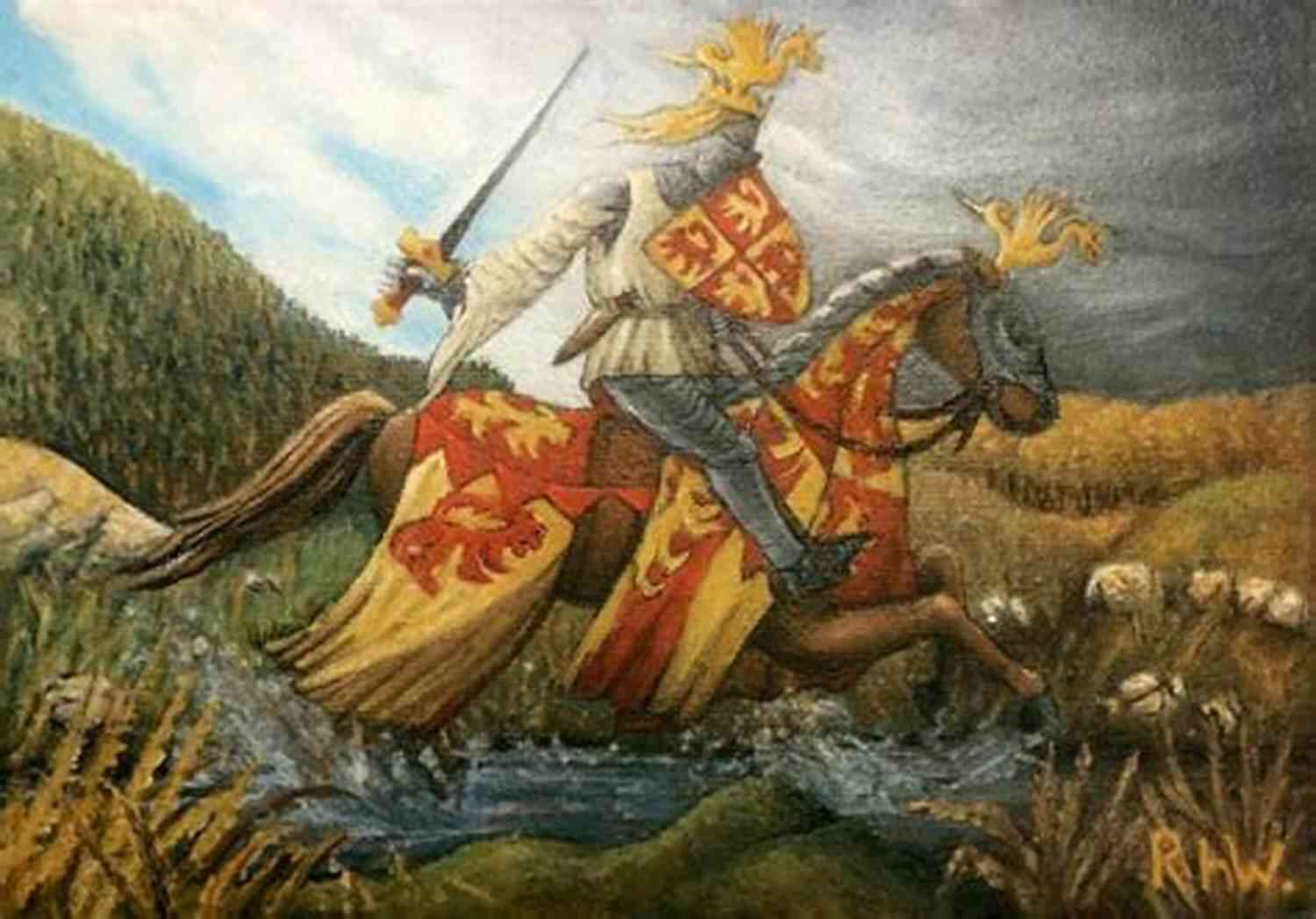
At the turn of the 15th century, Wales was under English rule after years of political and military conquest. The Welsh people were subjected to oppressive laws and restrictions that aimed to Anglicize the region. However, the year 1400 saw an uprising led by Owain Glyndwr, a Welsh nobleman and descendant of the princes of Powys Fadog. This marked the beginning of the Welsh Revolution, a revolt that would challenge the English authority and fight for Welsh independence.
The Spark That Ignited the Flame
Owain Glyndwr was a true patriot who believed in the Welsh identity and was deeply frustrated with the oppressive English rule. His resentment grew stronger as he witnessed the diminishing influence of Wales in matters of governance, law, and culture. The pivotal moment that sparked the revolution occurred when Glyndwr's neighbor, Reginald de Grey, accused him of stealing his land. Faced with an unjust legal battle, Glyndwr saw this as an opportunity to rally the Welsh people and restore their rights.
5 out of 5
| Language | : | English |
| File size | : | 2764 KB |
| Text-to-Speech | : | Enabled |
| Screen Reader | : | Supported |
| Enhanced typesetting | : | Enabled |
| Word Wise | : | Enabled |
| Print length | : | 16 pages |
| Lending | : | Enabled |
Glyndwr's appeal to his fellow Welshmen was met with overwhelming support. The revolution quickly spread across Wales, attracting peasants, nobles, and clergy who all yearned for a return to Welsh sovereignty. Glyndwr established his own parliament, devised a military strategy, and even gained the support of other powerful figures such as the French and the Scots.
A Brutal Conflict
The Welsh Revolution was marked by intense warfare and numerous battles between the Welsh rebels and English forces. Glyndwr's army showcased remarkable resilience and tactical prowess, managing to win several significant victories against their well-equipped and numerically superior adversaries. The Battle of Hyddgen in 1401 stands out as a notable triumph for the Welsh, as they repelled a large English force, boosting the morale of the rebels.
The revolution continued to gain momentum, with Glyndwr successfully capturing key English fortresses and expanding his authority throughout Wales. The conflict intensified as English King Henry IV declared Glyndwr and his followers as traitors and invaders. This proclamation led to brutal reprisals from both sides, with villages being burned, crops destroyed, and innocent lives lost.
Legacy and Downfall
The Welsh Revolution of 1400 demonstrated the unwavering determination and resilience of the Welsh people in their pursuit of freedom. Despite being outnumbered, outgunned, and facing severe hardships, Glyndwr and his followers fought valiantly for over a decade, refusing to surrender in the face of overwhelming odds.
However, as time went on, the Welsh revolutionaries faced a series of setbacks. Internal dissent within the Welsh ranks, lack of proper provisions and resources, and the inability to secure sufficient international support started to erode their position of strength. By 1410, Glyndwr's forces had been largely quelled, and the rebellion began to wane.
Ultimately, the Welsh Revolution was unsuccessful in achieving its primary goal of full independence. However, it did have long-lasting effects. The revolution inspired a renewed sense of Welsh identity and pride, and it became a symbol of resistance against oppressive rule. The legacy of the Welsh Revolution can still be felt today, as it laid the groundwork for future movements that eventually led to greater Welsh autonomy within the United Kingdom.
Remembering the Welsh Revolution
Despite its historical significance, the Welsh Revolution of 1400 remains largely overlooked and unexplored. This forgotten chapter of Welsh history deserves to be remembered and celebrated for the courage and determination demonstrated by those who fought for their nation's freedom.
By shedding light on forgotten revolutions like the Welsh Revolution, we gain a more comprehensive understanding of the diverse struggles and triumphs that have shaped our world. It is through learning and honoring our history that we can appreciate the sacrifices made by those who came before us and ensure that their stories are not lost to the passage of time.
5 out of 5
| Language | : | English |
| File size | : | 2764 KB |
| Text-to-Speech | : | Enabled |
| Screen Reader | : | Supported |
| Enhanced typesetting | : | Enabled |
| Word Wise | : | Enabled |
| Print length | : | 16 pages |
| Lending | : | Enabled |
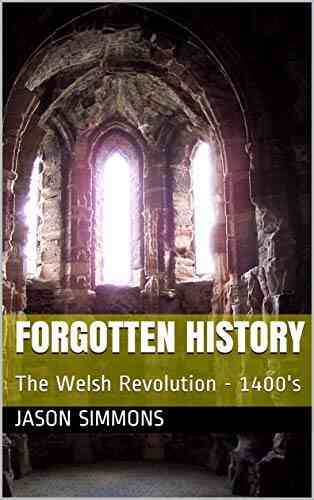
The Welsh Revolution had become forgotten in modern day history. However, if you venture to the towns and Castles in North and Mid Wales you will see a bundle of information. This book aims to be a concise history of the events that took place during the Welsh Revolution.
Do you want to contribute by writing guest posts on this blog?
Please contact us and send us a resume of previous articles that you have written.


Light bulbAdvertise smarter! Our strategic ad space ensures maximum exposure. Reserve your spot today!

 Jonathan FranzenThe Lonely Men Sacketts 11: A Thrilling Western Tale of Honor, Redemption,...




 Ibrahim BlairGhost Ship Sigma Force Short Story - Unveiling the Secrets of the Haunted...





 Stephen FosterFollow ·11.9k
 Wesley ReedFollow ·13.2k
 Wayne CarterFollow ·3.6k
 Samuel Taylor ColeridgeFollow ·13.3k
 Sammy PowellFollow ·14.8k
 Ernest HemingwayFollow ·10.8k
 Herman MitchellFollow ·13.4k
 Harold PowellFollow ·7.9k
 Wesley Reed
The Ultimate Allergy Free Hypnotherapy Script: Say...
Are you tired of dealing with...

 Walter Simmons
An Alliance Reforged Sentenced To War
War has always been a backdrop for...

 Jarrett Blair
The Untold Story of Loss Guy Blaze: A Rollercoaster...
They say that loss is an inevitable part of...

 Matthew Ward
The Ultimate Guide to Vegetable Gardening For Beginners:...
Are you interested in...
 Paulo Coelho
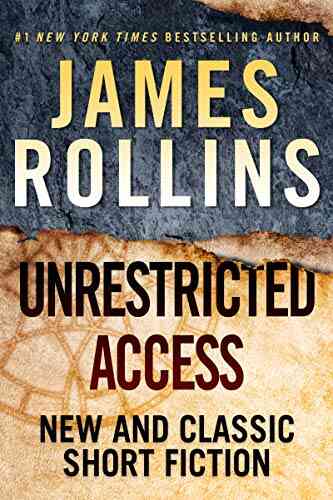
Unrestricted Access: New And Classic Short Fiction
Are you passionate about literature?...
 Jamie Bell
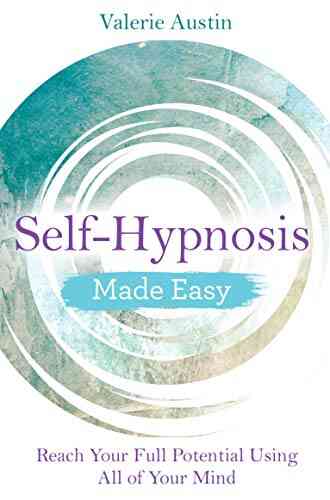
Self Hypnosis Made Easy - The Ultimate Guide to Unlocking...
: Do you find yourself...

 Caleb Carter
The Misery of Lives: Exploring the Intense Emotions in...
Anton Chekhov, famed Russian playwright and...
 Brandon Cox
The Untold Story of The Oliver Quintrell: A Journey...
The year was 1892. The maritime world was in...

 Jaime Mitchell
 Juan Rulfo
Spidey And His Amazing Friends Free Comic Free Comic Day...
Calling all Spidey fans! Get ready to...
 Cooper Bell
The Seven Principles For Making Marriage Work: Key...
Marriage is a beautiful union...

 Eric Hayes
Homer And Classical Philology Glenn Mcgoldrick:...
When we think of ancient...
5 out of 5
| Language | : | English |
| File size | : | 2764 KB |
| Text-to-Speech | : | Enabled |
| Screen Reader | : | Supported |
| Enhanced typesetting | : | Enabled |
| Word Wise | : | Enabled |
| Print length | : | 16 pages |
| Lending | : | Enabled |
